Why does Euripides seem to want us to feel pity for Medea at the start of the play? When does that pity begin to fluctuate, and perhaps change to fear and horror? What kind of tragic hero(ine) is Medea? (Hint: look at the Medea page and follow the link to Aristotle's definition of tragic hero...)
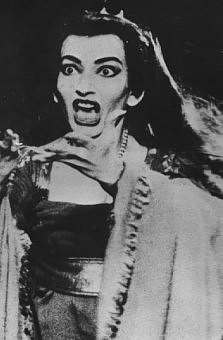

At the very beginning of the novel, the reader can already see that Euripedes seems to want us to feel pity for Medea. Unlike Jason, who uses fraudulent justifications to avoid facing the repercussions of his actions, Medea simply acts out on her passions thoughtlessly. Euripedes immediately shows us Medea's disheartenment from being forsaken by Jason, even saying that victims of a severe emotional wound (in this case, Medea) not only turn against those who impose it (Jason) but against their entire world of emotional attachments (her two sons). This is displayed through her manifestations of suicidal helplessness and curses that every trace of her love for Jason be severed. By placing Medea off-stage, Euripides enables the audience to immerse themselves on her words and grasp them as a sort of "secret code" to her character as a whole. The nurse forebodingly foreshadows that the fury stirring inside Medea will not leave until it has received an outlet, and the only real hope is that she can target an enemy rather than a friend. The nurse interprets Medea's excesses as the outcome of a sense of royal entitlement, her queen-like need to be in command.
ReplyDeleteAccording to Aristotle, a tragic hero is either an aristocrat or someone of royalty who is not evil. This tragic hero must have a flaw that causes mistake in their judgement and leads to the downfall of any character around him/her (or of the tragic hero itself). The character must recognize his guilt. Medea runs to Corinth after falling in love with Jason, whom she bears two sons with. Jason eventually finds a new love, the king of Corinth's daughter. Medea's two flaws overcome her (rage and envy) and she decides to send Jason's new love a poisoned robe. Nervous that the king will strive vengeance by harming her sons, Medea kills them as well. She soon realizes that the guilt and agony of her sons' deaths will stay with her for eternity. She has flaws that have caused faults in her judgement and led to downfalls in the play, as well as recognizes her guilt, and is therefore, according to Aristotle's definition, a tragic hero.