Saturday, October 30, 2010
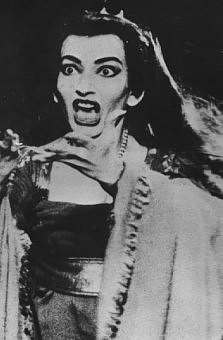
Not a woman you want to cross...

Sunday, October 17, 2010
A Room of One's Own

First of all, check out Robin's thorough and thought-provoking notes from last week in the Recaps page. Thanks, Robin! Looking ahead: over your break, which I hope is wonderful, you will be reading a portion of Medea as well as Chapters 1 and 2 of A Room of One's Own. We'll be thinking about unconventional, powerful and (ultimately) tragic women over the next few weeks. How do women assert themselves when they live within a system that dispossesses them and deprives them of a tradition? How do you make yourself heard and respected if you have been denied access to the institutions that convey power? The character of Medea and the persona of Woolf are very different, of course, but they both raise pressing questions about female power. To be continued, with your help...
Monday, October 11, 2010
The power of rhetoric

Our main theme this week and in the weeks to come: the power of rhetoric (ways of using language, really) to move and convince an audience. Take a look at the Sheet of the Week to see what's coming up, and review Emmanuelle's recap notes in the Recap page...
Sunday, October 3, 2010
How scary is this?
Here is Shirley Temple singing her famous number, "Animal Crackers," as well as a clip in which she dances with Mr. Bojangles... What do you think?
Subscribe to:
Comments (Atom)